
Onheama, a work inspired by Amazonian mythology, takes the stage at the Grande Teatro SCAR on January 23 and 24, marking one of the festival’s most anticipated performances.
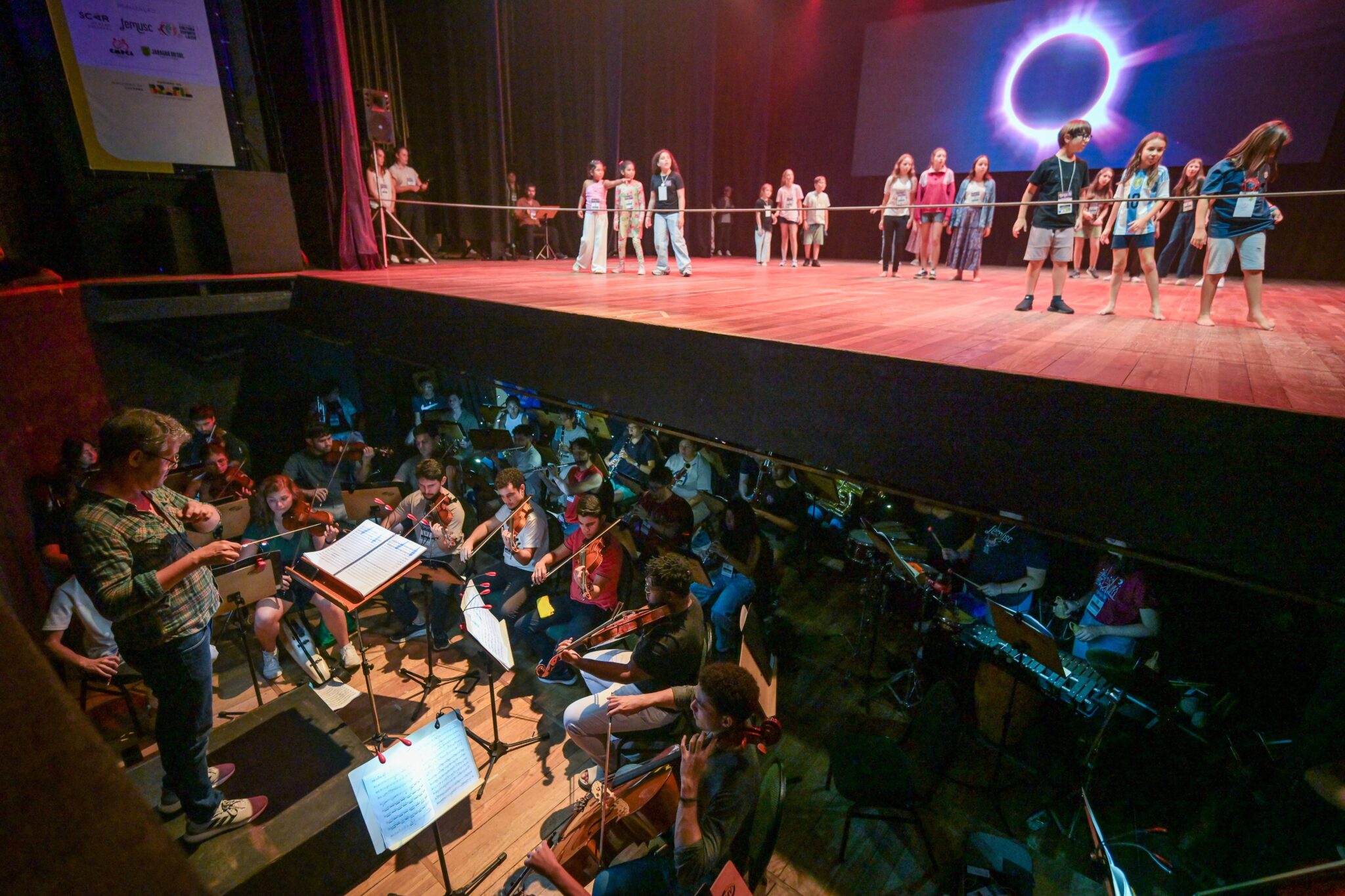
Featuring over 80 artists, the production brings together an orchestra, a choir, soloists, and a youth cast to tell a story of adventure, magic, and courage, engaging with themes such as ancestry, belonging, and female agency. It is directed by Matheus Sabbá—a native of Amazonas—who revisits the work 12 years after its premiere at the Amazonas Opera Festival.
The opera’s composer, João Guilherme Ripper, celebrates the work’s encounter with FEMUSC and a new generation of performers. “I arrived yesterday and had a pleasant surprise. I watched the incredibly talented soloists participating in the festival. What we see here is a clear reflection of a new generation of singers emerging in Brazil,” he states. For Ripper, this movement is a direct result of training: “This is the fruit of the work of skilled mentors—something we must always value: music education.”
Ripper also highlights the artistic team’s deep connection to the piece. “Conductor André Santos and stage director Matheus Sabbá know the opera inside out. I knew the work was in excellent hands. The visual concept is beautiful, and the musical side is coming along very well,” he comments after sitting in on the first run-through with the orchestra.
Commissioned by the Amazonas Opera Festival, Onheama was created to connect with young audiences and the Amazon region itself. Inspired by the myth of the eclipse, the narrative follows the journey of Iporangaba, a young warrior who confronts the “celestial jaguar” to save the sun. “The image of Iporangaba defeating the jaguar can represent deforestation, unchecked exploitation, and violence against the Amazon. These interpretations gain new resonance depending on the historical context in which the work is performed,” the composer explains.
For Ripper, the presence of the opera at FEMUSC holds special significance. “It has never been performed in Rio de Janeiro, for instance, and now it arrives at one of the country’s major centers for musical training. It is especially important because children and young people get the experience of working with the work of a living composer.”
Leading the staging, Matheus Sabbá gives the audience a preview of the experience’s intensity. “We are talking about adventure, courage, and magic. Iporangaba’s journey illustrates all these feelings. It is a mix of emotions inherent to opera, but intensified because it is a Brazilian work; everything feels closer to home.” The director also highlights the project’s collaborative nature: “Managing to bring together so much talent in such a short time surprised me. And the heart of the opera is the children, who add a special sparkle to this production.”
Beyond its artistic power, the production also pays close attention to sustainability. The costumes utilize nearly a ton of waste material from the local textile industry—repurposed for the stage and integrated into the work’s aesthetic—reinforcing the dialogue between contemporary creation, the local region, and environmental awareness.
For conductor André Santos, Onheama expands the opera’s dialogue with the audience by addressing Brazilian themes in their own language. “The audience can expect a powerful spectacle. It is a Brazilian opera sung in Portuguese, which creates an immediate connection with viewers. The work engages with the culture of the North and the Amazon region—using the language of Western music but incorporating influences from Brazilian rhythms,” he notes. According to him, the production’s collaborative nature enhances the experience: “It is a visually striking show, featuring a choir, orchestra, dance, and many children on stage. It is a source of great pride to present an opera by a Brazilian composer who is present at the festival and closely involved. Furthermore, the opera mobilizes a vast network of professionals and demonstrates that culture is also a significant factor for the economy and for artistic development.”
With Onheama, FEMUSC offers the audience a rare encounter between Brazilian creative work, musical training, and large-scale stage performance. For João Ripper, participating in the festival holds value that extends beyond the performance itself: “Here at FEMUSC, we see a true bubble of interaction, exchange, and respect among different cultures and nationalities. It is a space where people communicate through words, but—above all—through art. Music, like sport, is one of the most powerful ways for humanity to understand itself,” he concludes.
About FEMUSC
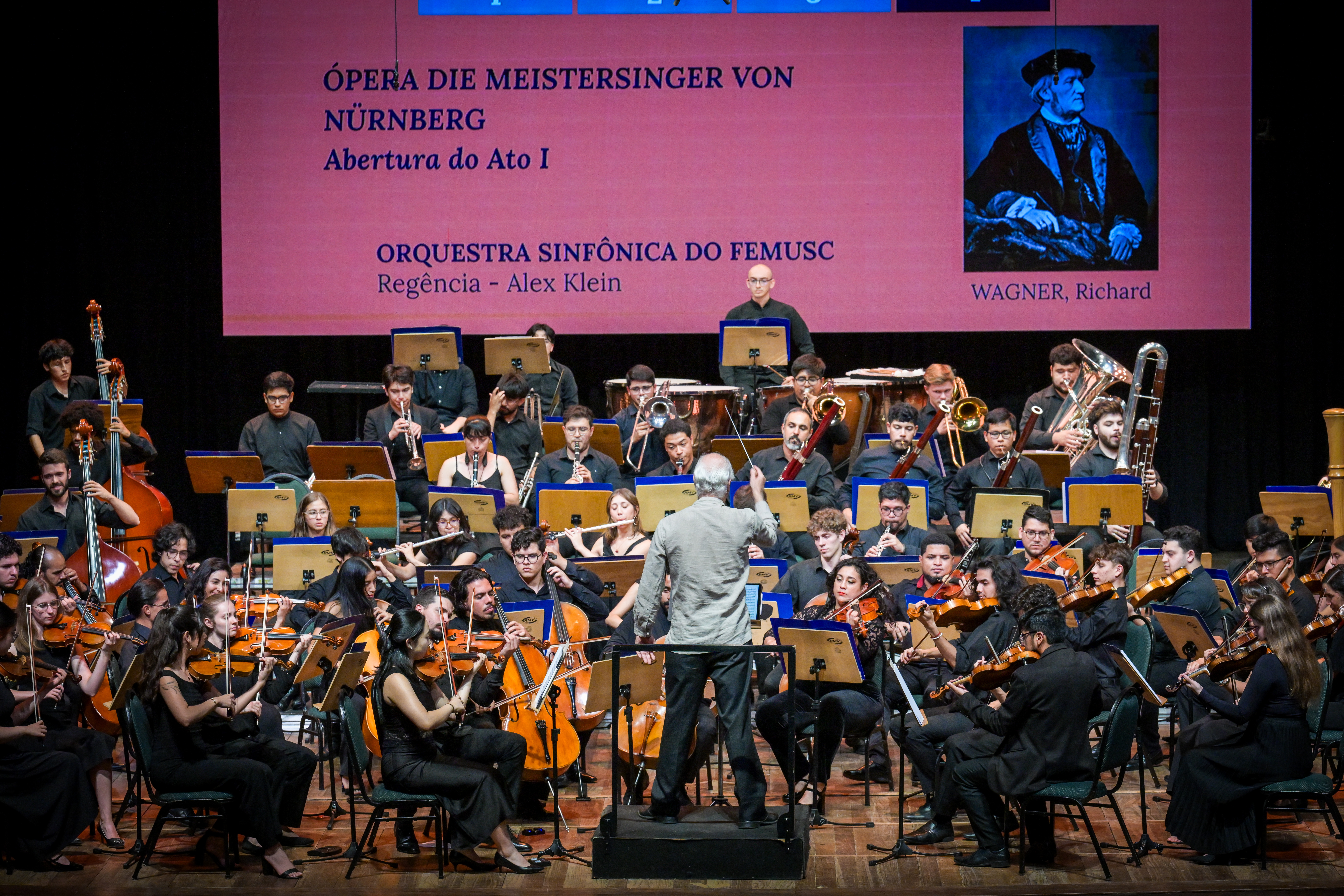
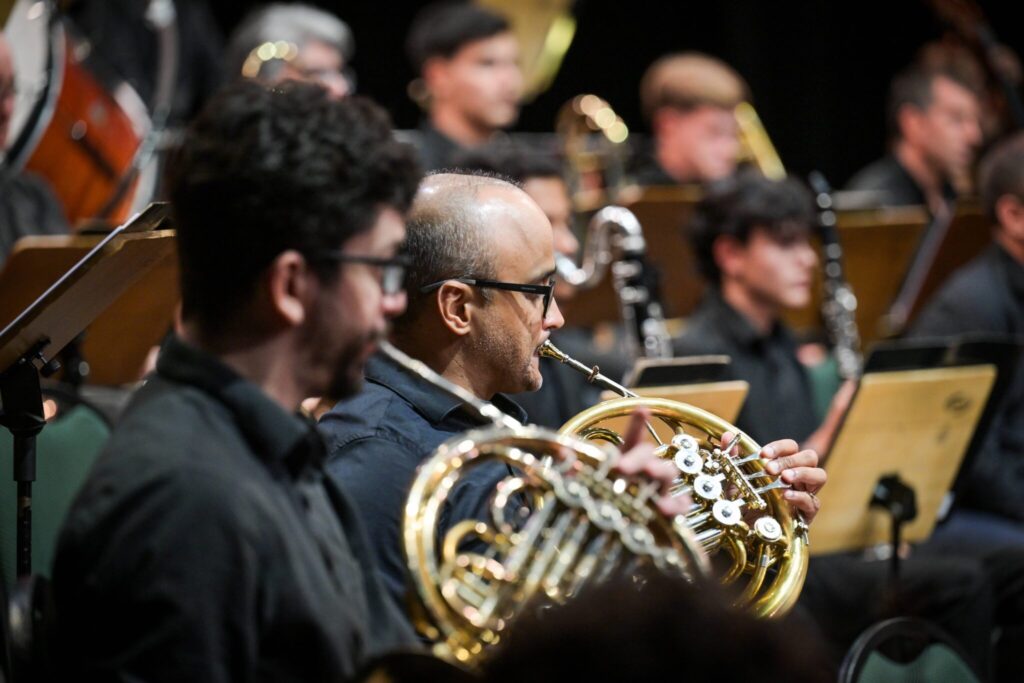
FEMUSC is Latin America’s largest classical music festival and educational program. Marking its 21st anniversary in 2026, the Santa Catarina International Music Festival brings together around 600 students from nearly every Brazilian state and 21 countries—from January 11 to 24—for 14 days of learning, cultural exchange, and abundant music alongside faculty members from the world’s most renowned orchestras. The community of Jaraguá do Sul and the surrounding region enthusiastically embraces the festival, packing the 230 free concerts held at the SCAR Cultural Center and various venues across the city; the event reaches an audience of over 30,000 people, leaving a lasting legacy in the region and in the lives of every student. For more information, visit 🔗 www.femusc.com.br.
The 21st FEMUSC is presented under the Federal Government’s Rouanet Law for Cultural Project Incentives. It features Master Sponsorship from Itaú, Laranjinha Itaú, and WEG; sponsorship from DR Aromas & Ingredientes, Auroracoop, Grupo Elian, Zanotti Elásticos, and Porto de Itapoá; support from Master Operações Portuárias, Mime, Menegotti, Martinelli Advogados, and Unisociesc; and is organized by SCAR, FEMUSC, the Department of Culture, Sports and Leisure, and the Jaraguá do Sul City Hall.
Image credit: Diego Redel