
Recognized for excellence in teaching and in the presentation of classical music, the Santa Catarina Festival, in Jaraguá do Sul, led students to replicate their model in other countries.
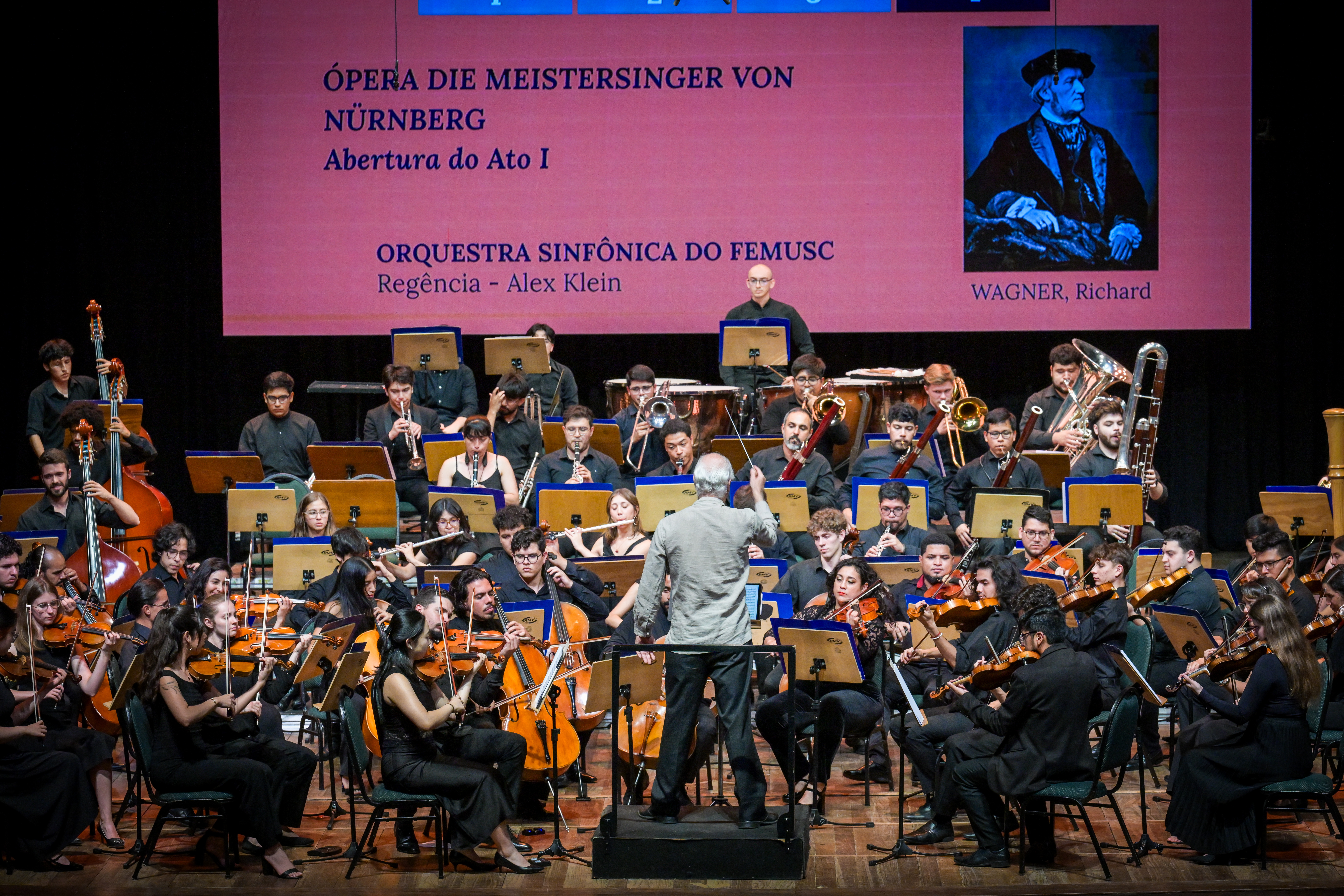
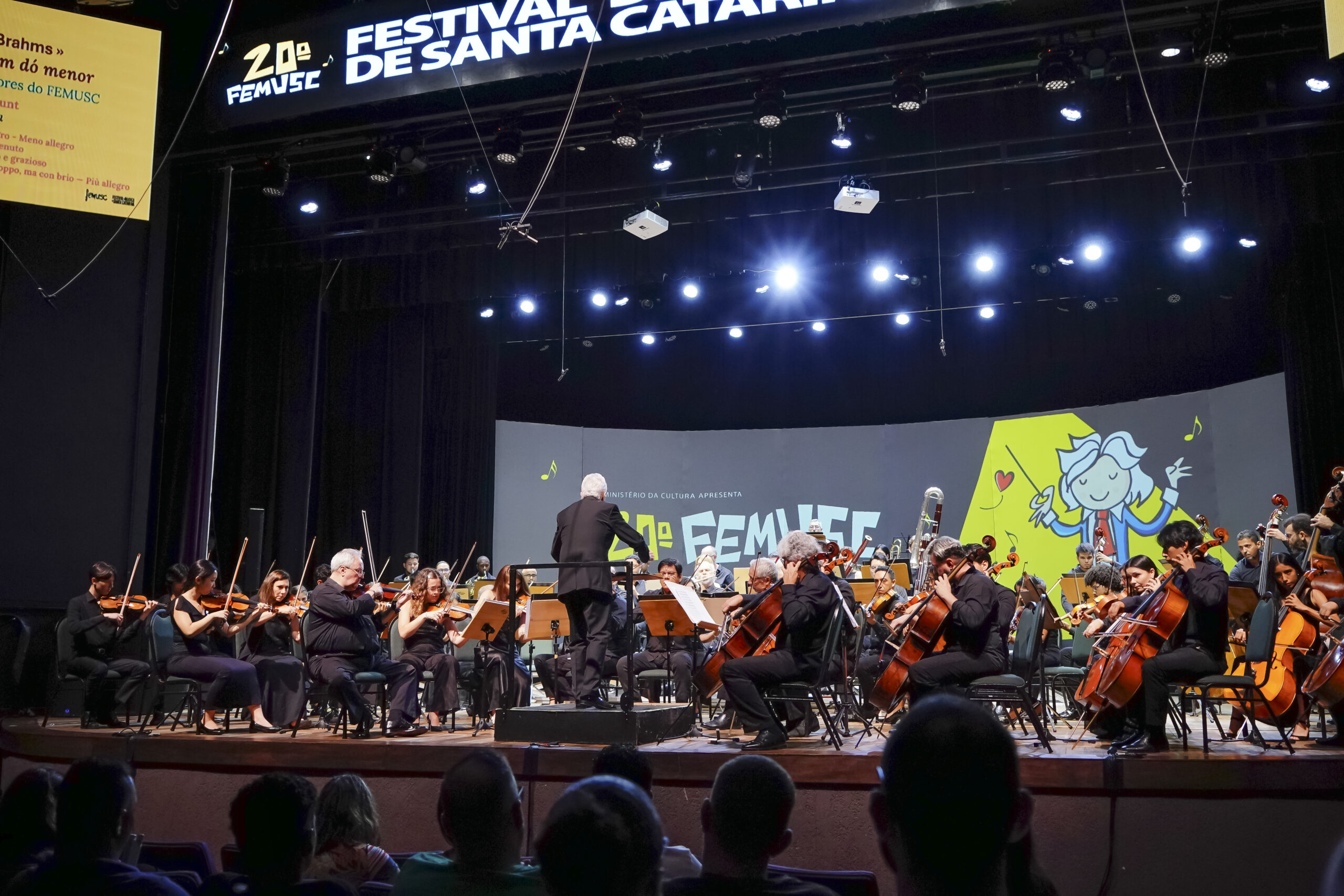
Throughout its 20 years of existence, the Santa Catarina International Music Festival, which takes place annually in Jaraguá do Sul, expanded its borders and impacted international musical training, becoming a reference for the creation of other festivals.
Currently, events inspired by FEMUSC take place in Guaranda, Ecuador; Queretaro, Mexico; and Santiago in Chile.
See the projects:
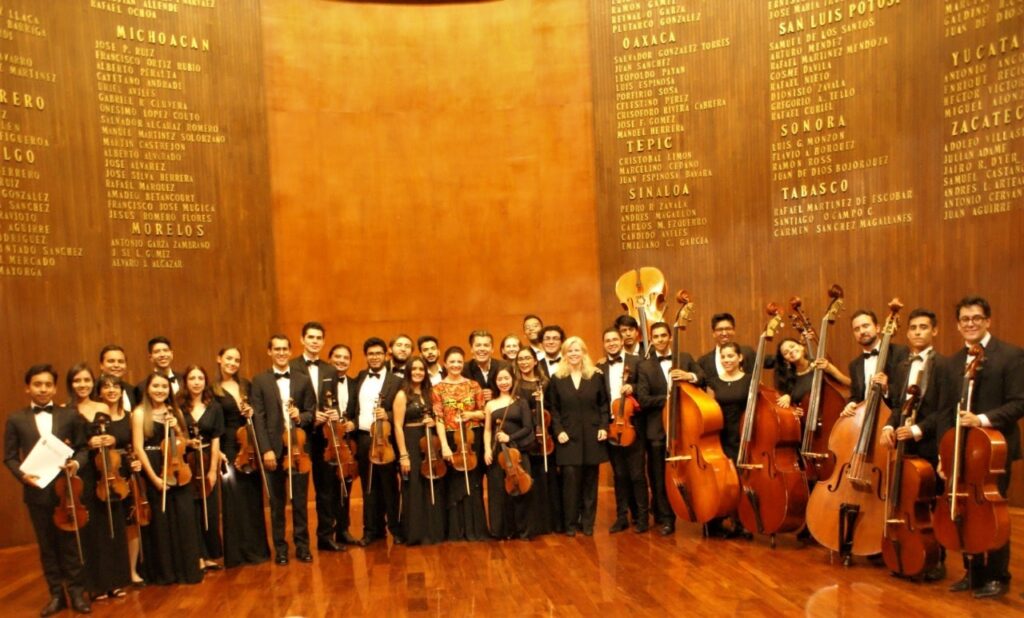
Mexico: Querétaro International Music Festival
The bassist and Mexican conductor Ezequiel Domínguez participated five times in FEMUSC and, in 2013, founded the Querétaro International Music Festival (FIMQRO).
Ezequiel decided to replicate the festival model to boost musical development in his hometown, offering educational programs and presentations. In eight editions, FIMQRO brought together more than a thousand young Latinos and became one of the most important in the country.
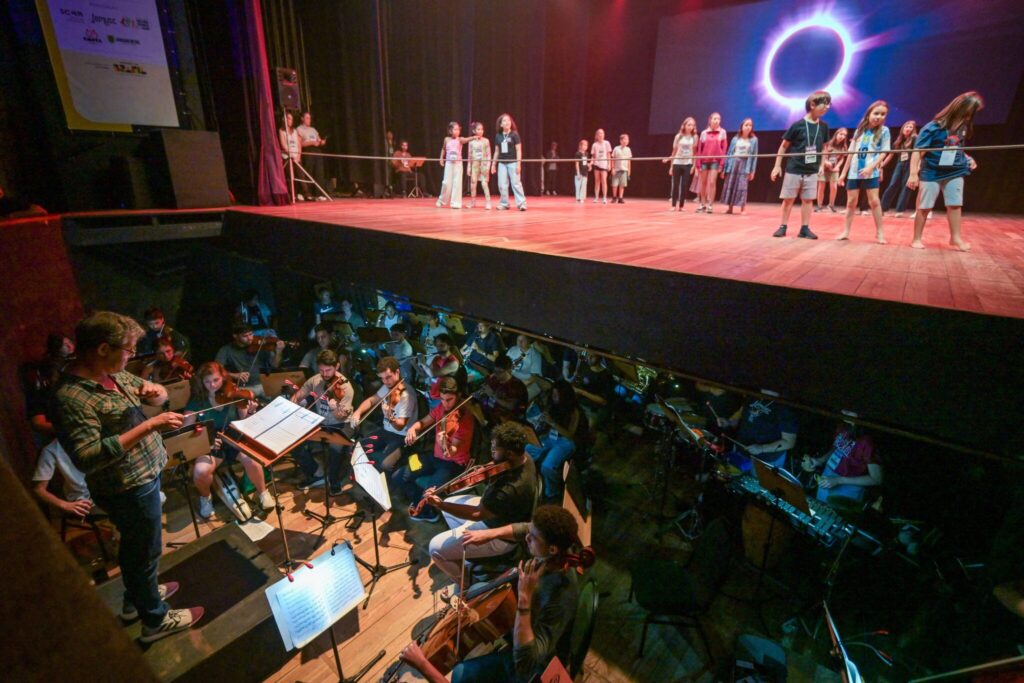
Like Femusc Jovem and Femusckinho, FIMQRO also offers training for children and young people. “Some of our first students are now part of Mexico’s main symphony orchestras, while others continue their studies abroad,” says Ezequiel.
“Femusc not only transforms lives, but also inspires projects that bring their essence to other parts of the world.”
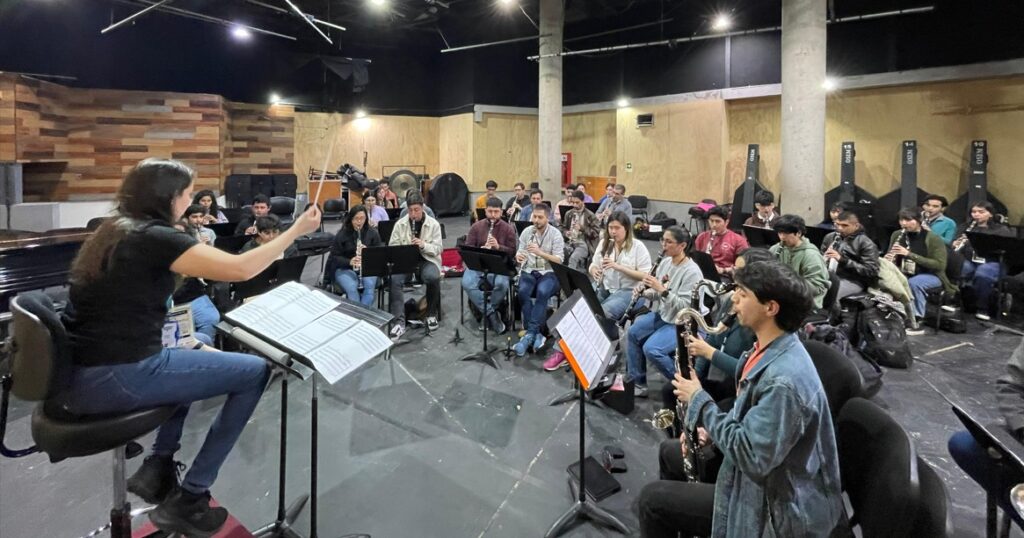
Chile: International Clarinet Encuentro (EIC)
Chilean Karla Rodríguez was inspired by the FEMUSC clarinet course to found the International Clarinet Encuentro (EIC). The first edition took place in Santiago, in 2024, with six professors from international universities, including the Spanish clarinetist Laura Ruiz Ferreres, professor at Femusc and mentor of Karla during her master’s degree in Frankfurt. This year, Karla participates in FEMUSC for the third time.
For her, the EIC expands the scenario of classical music in Chile and inspires young people, as well as inspired by FEMUSC. The event offered 50 places, but attracted more than 80 clarinetists from various regions of Chile and from countries such as Argentina and Peru. “Seeing this encounter grow and attract musicians from so many places is gratifying, as it represents the future of classical music in the region”, says Karla.
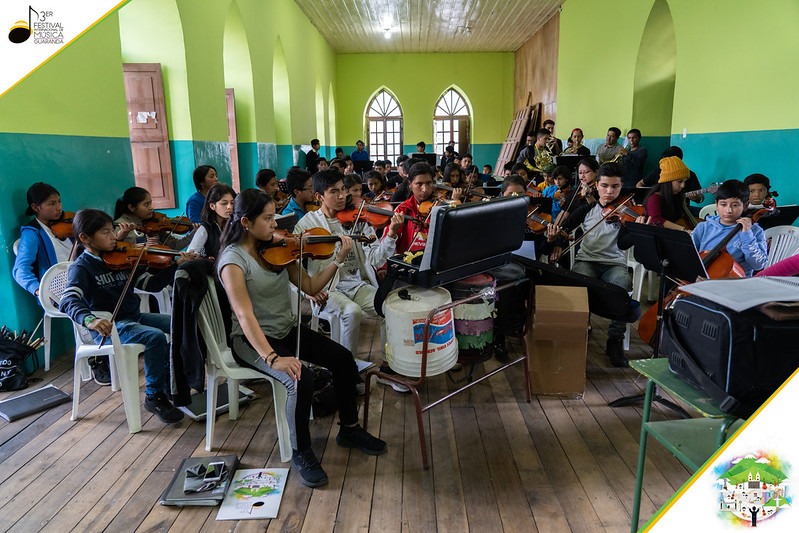
Ecuador: Guaranda Music Festival
Created in 2017 by bassist William Valencia, the Guaranda Music Festival seeks to offer cultural training for professional musicians and beginners. “I wanted to create something like this in Ecuador, as there were no similar initiatives, and many people did not have the resources to study abroad”, he recalls.
The festival promotes education with seminars, workshops and classes for musicians and non-musicians. “We have already had teachers from 12 countries, including the United States, Mexico, El Salvador, Honduras, Panama, Colombia, Peru, Argentina and Brazil,” says William.
In 2019, the event held an international tour, taking musicians to several cities in Ecuador and Colombia. “Our festival decentralizes teaching and expands access to musical training, bringing together talents from all over the country and enriching the local scene”.
Model can also be replicated in Russia
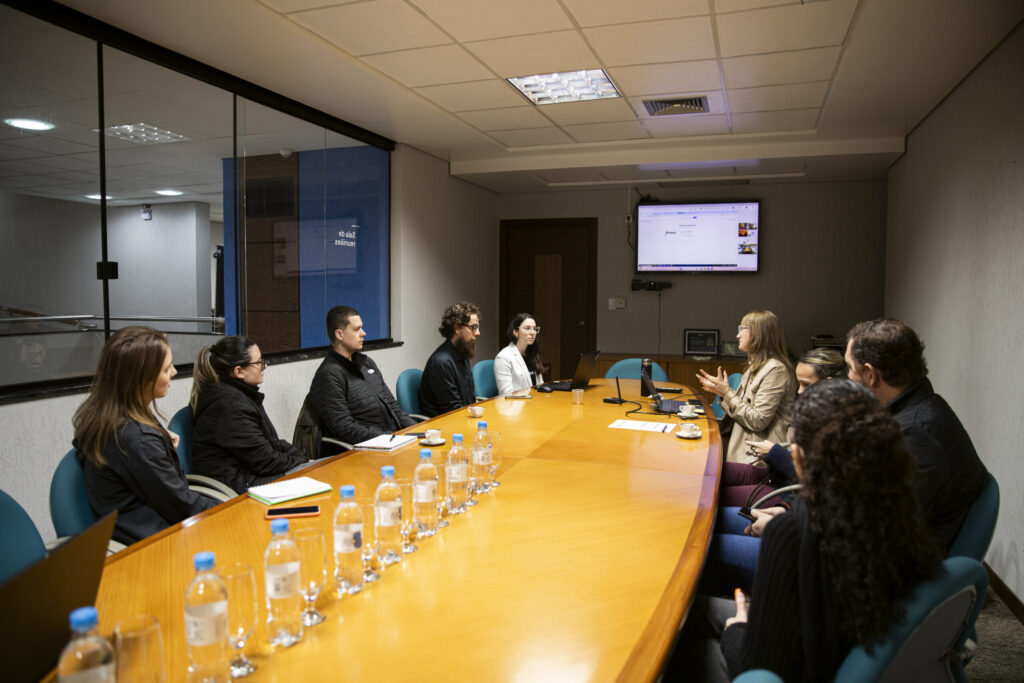
Professor Philip Nodel, an oboist at the Tchaikovsky Conservatory of Moscow, plans to take the Femusc model to Russia as well. “We always dream of something like this. Although we have many festivals, none have the same magnitude and dynamism”, he says, during a visit to FEMUSC 2025.
Nodel emphasizes the pedagogical and cultural importance of school festivals to strengthen ties between musicians from emerging countries. “We have a project in Moscow called the BRICS Youth Orchestra, where I see many FEMUSC musicians. Now we want to strengthen this connection even more.”
FEMUSC 2025 PROGRAMMING
The complete schedule and photos of this edition of the festival are available on the official website: www.femusc.com.br. The daily schedule and highlights can be followed through the @femusc profile, on Instagram.
follow on youtube
The series Grandes Concertos e Momento Springmann, from Femusc 2025, are being broadcast daily live, at 7 pm, and at 8:30 pm, on the official YouTube channel (youtube.com/femcoficial). The concert videos will also be available on the platform after the event, expanding virtual access to the largest classical music festival-school in Latin America.
about FEMUSC
Through the Culture Incentive Law (Rouanet Law), Ministry of Culture and the Federal Government, FEMUSC is sponsored by the companies WEG, Rede Itaú, Grupo Elian, BTG Pactual, Duas Rodas, Martinelli Advogados and Zanotti, and the support of the companies Agricopel, Auto Elite, Urbano Alimentos, WPA, UniSociesc and IFSC Santa Catarina – Campus Jaraguá do Sul – Centro – Santa Catarina. FEMUSC is organized by SCAR – Cultural Center, Instituto Femusc and City Hall of Jaraguá do Sul.