Recital of Attic Rubini was presented for the first time in 1947; FEMUSC will have more than 200 presentations, all of which are free
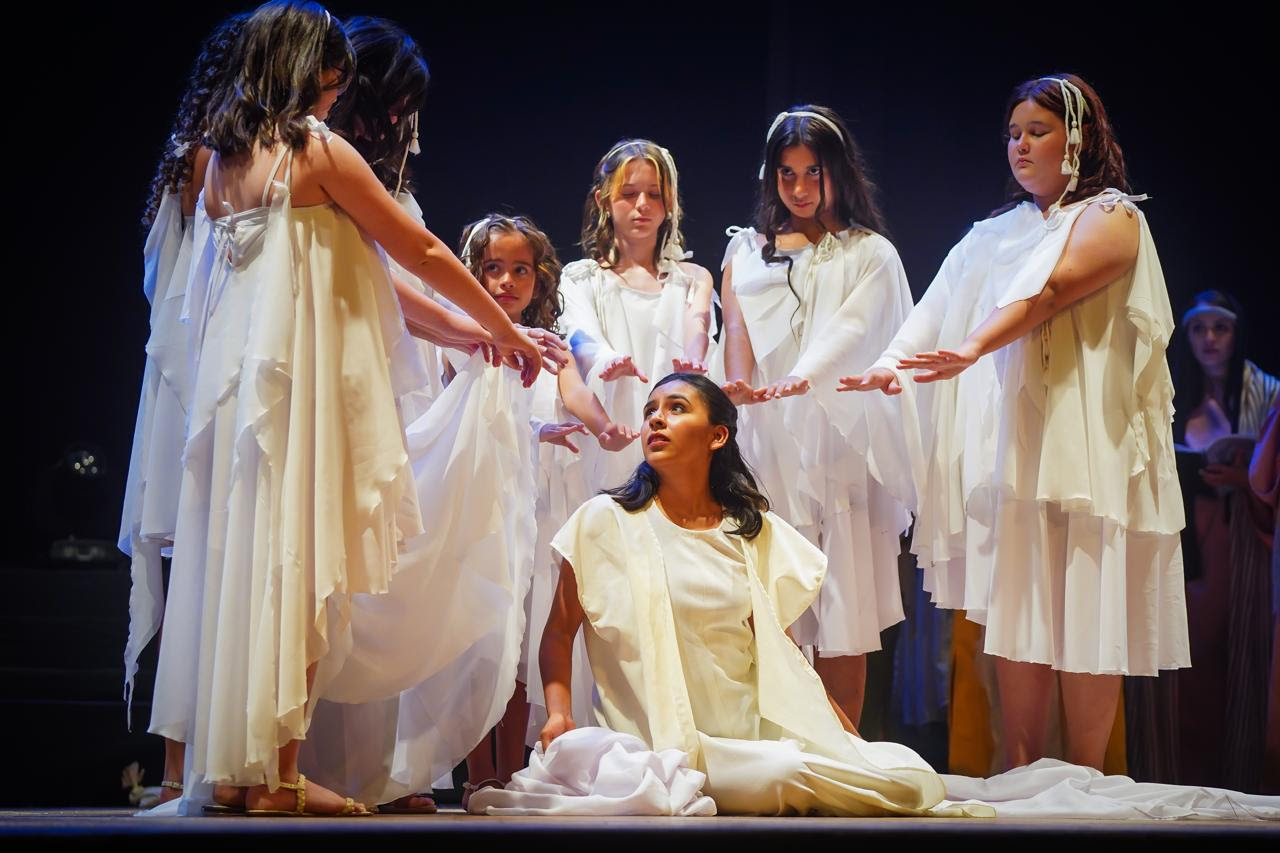
The 484 verses of I-Juca Pirama, a masterpiece by the Indianist poet Gonçalves Dias, were transformed into an opera and won the first performance in 1947. The adaptation was made by Marist Attic Brother Rubini, born in Jaraguá do Sul. Almost half a century later, in January 2025, the opening of the work will be presented for the first time in Jaraguense solo, on the Scar stage, during the 20th edition of the International Music Festival of Santa Catarina (Femusc). The event, considered the largest school-classical music festival in Latin America, takes place from January 12th to 25th. All FEMUSC shows are free.
“We are very excited and proud to be able to show this work to the Femusc audience, who will certainly be thrilled with the show written by a son from this land, so linked to classical music”, says the creator and artistic director of the festival, conductor Alex Klein. “The moment of commemoration of the 20th edition of FEMUSC could not be more appropriate to bring this gift to the city”.
I-Juca Pirama was written in 1851 and tells the drama of a great Tupi warrior captured by the Timbira tribe. Poetry, divided into ten corners with decasyllable verses, shows the surrendered indigenous person who, when crying in the face of death, is called a coward by his own father. From there, Juca Pirama lives to prove his courage and recover his honor.
At FEMUSC, the themes of the operatic version of I-Juca Pirama They will be part of the “Opera Night”, which makes up the opera and lyrical singing program of the event, on January 17 from 8:30 pm. Singers and singers will take the stage to present individual arias accompanied by the FEMUSC Opera Orchestra. The “Opera Night” will feature musical direction by conductor Alex Klein, and will host Brazilian Soprano teacher Celine Imbert. The expectation is that about 100 members of the festival will make presentations on that day, including 30 singers.
Born Albino José Rubini in 1914, his brother Marist graduated in Philosophy, Sciences and Letters in addition to Geography and History. But it was even as a composer that the religious wrote his name in history. Attic, without ever having been trained as a musician, wrote numerous sacred pieces (masses and mottoes), folk arrangements and was one of the finalists of the contest that elected the anthem of Jaraguá do Sul.
The first work of Attico Rubini, a name he adopted as an artist, was a melodrama entitled Tarcísio, presented for the first time in Curitiba, but also reached the stages of Mendes (Rio de Janeiro) and Santos (South coast of the state of São Paulo). “A Vocação de Colombo” was the second show by the composer from Jaraguan, and was inspired by the work of Colombo Fanchullo, with text and music by his own. The work tells the story of a young man who dreamed of being a sailor, against the will of his father, who wanted his son to work as a weaver. The performance is sung in Portuguese and, despite smaller dimensions, it has the appearance of a complete opera, with a choir, orchestra and four arias. The capital of São Paulo won the first presentation of the work in 1965, in the sequence “The vocation of Columbus” went to Curitiba.
The trajectory of the Rubini family, coming from Italy, and established in Jaraguá do Sul at the beginning of the last century, was recorded in a book published in 2018. of Dom Evaristo Arns, but who left his greatest legacy in the format of music. This year, a contact with Alex Klein was enough to impress the conductor who included the work of Brother Attic at the festival. “I was very impressed with the sensitivity and musical wealth, and the regional nuances only enhance the work”, concludes Klein.